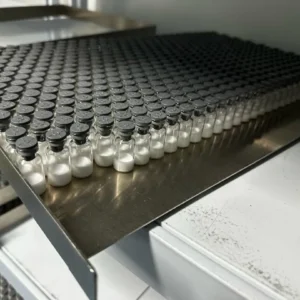
Glp 3 peptide
$100.00
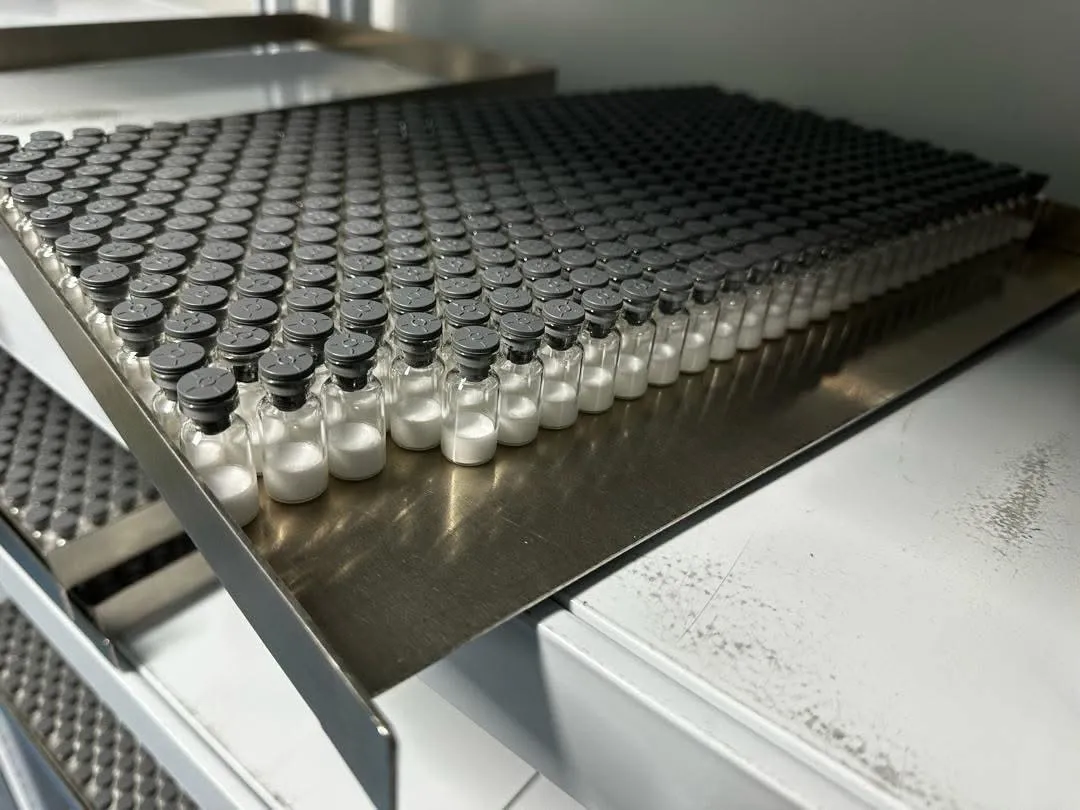
GLP-3 Peptide is presented as a research compound for scientific investigation and laboratory evaluation. This informational overview covers product specifications, storage considerations, handling practices, quality standards, and areas of ongoing peptide research. Information is intended for educational and research purposes only.

Product Specifications
| Specification | Details |
|---|---|
| Product Name | GLP 3 Peptide |
| Strength Options | 10mg, 20mg, 30mg |
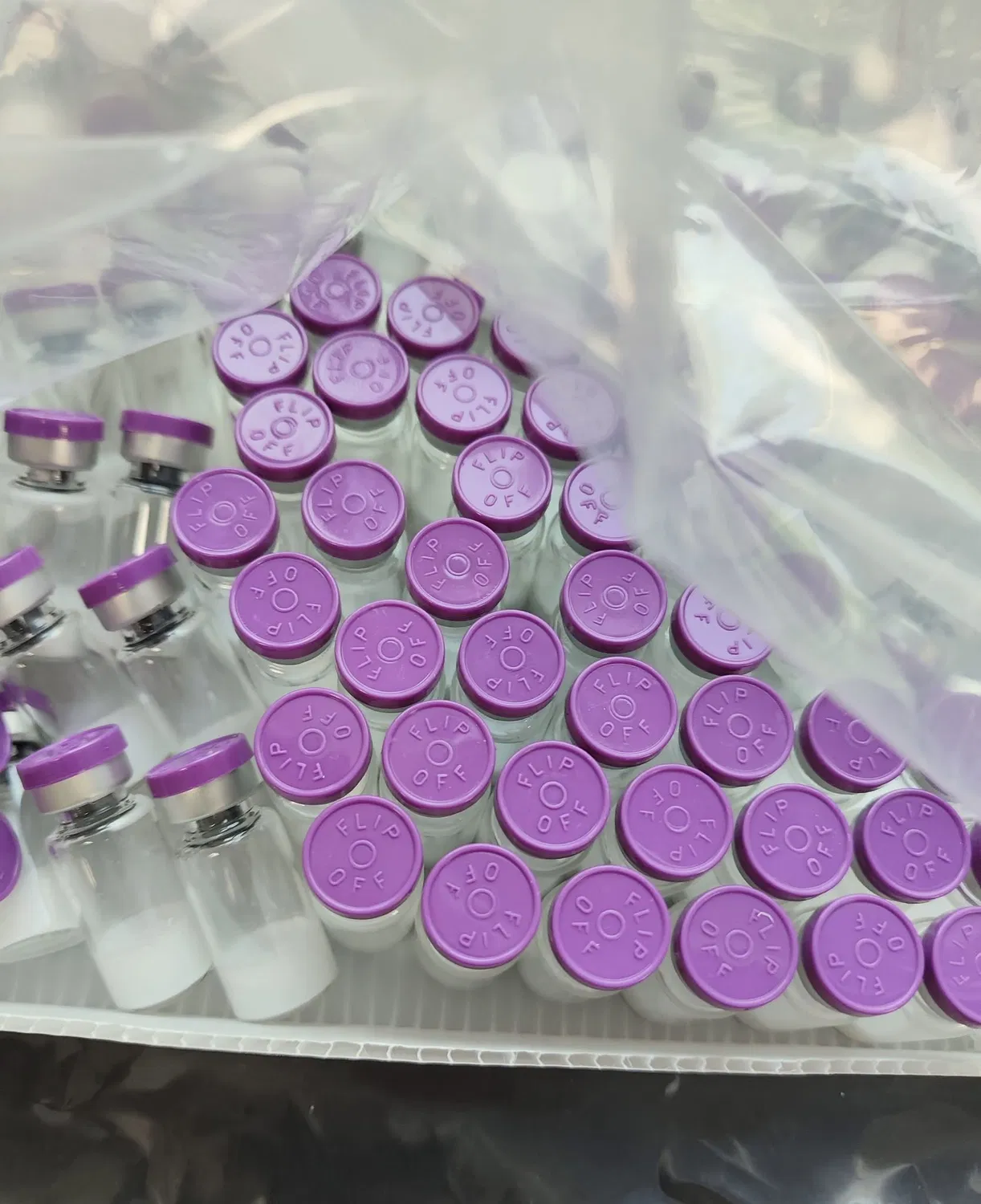
| Form | Lyophilized Powder |
| Category | Research Peptide |
| Brand | GLP-3 |
| Intended Use | Laboratory Research |
| Storage | Refrigerated/Frozen as Recommended |
| Documentation | Batch-Specific Testing Information |
What Is glp 3 peptide?
glp 3 peptide is commonly referenced as a peptide research compound used in laboratory investigations involving peptide characterization, receptor interaction studies, and metabolic pathway research. The specific identity and properties of any peptide should be verified through manufacturer documentation and analytical testing records.
Researchers frequently evaluate peptide compounds for stability, purity, handling characteristics, and biochemical behavior under controlled laboratory conditions.
How It Works
The mechanism of action of any peptide depends on its precise molecular structure and receptor activity. Scientific investigations typically focus on:
- Receptor-binding characteristics
- Molecular signaling pathways
- Pharmacological properties
- Stability profiles
- Analytical characterization
Researchers should rely on published literature and validated experimental methods when evaluating peptide compounds.
Key Features
- Lyophilized peptide formulation
- Multiple strength options available
- Laboratory-focused presentation
- Batch-specific quality testing
- Research documentation support
- Suitable for analytical evaluation
Product Benefits Overview for
Researchers often prioritize for Glp 3 peptide
- Consistent peptide quality
- Reliable purity testing
- Stable lyophilized presentation
- Traceable manufacturing documentation
- Appropriate storage guidance
- Analytical verification
Research Applications
Potential areas of scientific interest may include:
- Peptide characterization studies
- Molecular biology research
- Receptor interaction analysis
- Stability testing
- Pharmacokinetic investigations
- Analytical method development
Applications vary based on research objectives and institutional protocols.
Storage Information
Recommended storage practices commonly include:
- Keep sealed until use.
- Protect from heat and moisture.
- Store according to supplier recommendations.
- Maintain cold-chain handling when required.
- Minimize unnecessary freeze-thaw cycles.
Reconstitution Guidelines
Laboratory protocols may vary.
General considerations include:
- Utilize sterile laboratory techniques.
- Follow validated preparation procedures.
- Use appropriate laboratory-grade materials.
- Record preparation and storage conditions.
Quality & Purity Information
Quality assessment may include:
- Purity analysis
- Identity verification
- Batch testing
- Stability assessment
- Certificate of Analysis review
Researchers should review all available analytical documentation before use.
Manufacturing Standards for Glp 3 peptide
Quality-focused peptide production often incorporates:
- Controlled manufacturing processes
- Analytical testing procedures
- Batch traceability systems
- Documentation review
- Quality assurance protocols
Product Highlights
- Research peptide format
- Lyophilized powder presentation
- Available in 10mg, 20mg, and 30mg strengths
- Laboratory-oriented documentation
- Quality testing support
Frequently Asked Questions
1. What is GLP 3 Peptide?
A peptide research compound used in scientific investigation.
2. Is it intended for laboratory research?
Information is typically provided for research and educational purposes.
3. What strengths are available?
10mg, 20mg, and 30mg options.
4. What form is supplied?
Lyophilized powder.
5. Why is lyophilization used?
To improve stability during storage and handling.
6. How should it be stored?
Follow supplier recommendations and maintain appropriate storage conditions.
7. Is purity testing available?
Researchers should review batch-specific testing documentation.
8. What research fields may use peptides?
Biochemistry, molecular biology, pharmacology, and related disciplines.
9. What documentation should be reviewed?
Certificates of Analysis and quality-control records.
10. Are research outcomes guaranteed?
No. Results depend on study design and methodology.
Who Uses This Peptide?
Potential users may include:
- Academic researchers
- Biotechnology laboratories
- Analytical scientists
- Research institutions
Comparison vs Similar Peptides
Researchers commonly compare peptides based on:
- Molecular structure
- Receptor activity
- Stability profile
- Purity specifications
- Research objectives
Be the first to review “Glp 3 peptide”
Related products

Uncategorized

Uncategorized
Reviews
There are no reviews yet.